California’s Replacement Tire Efficiency Program
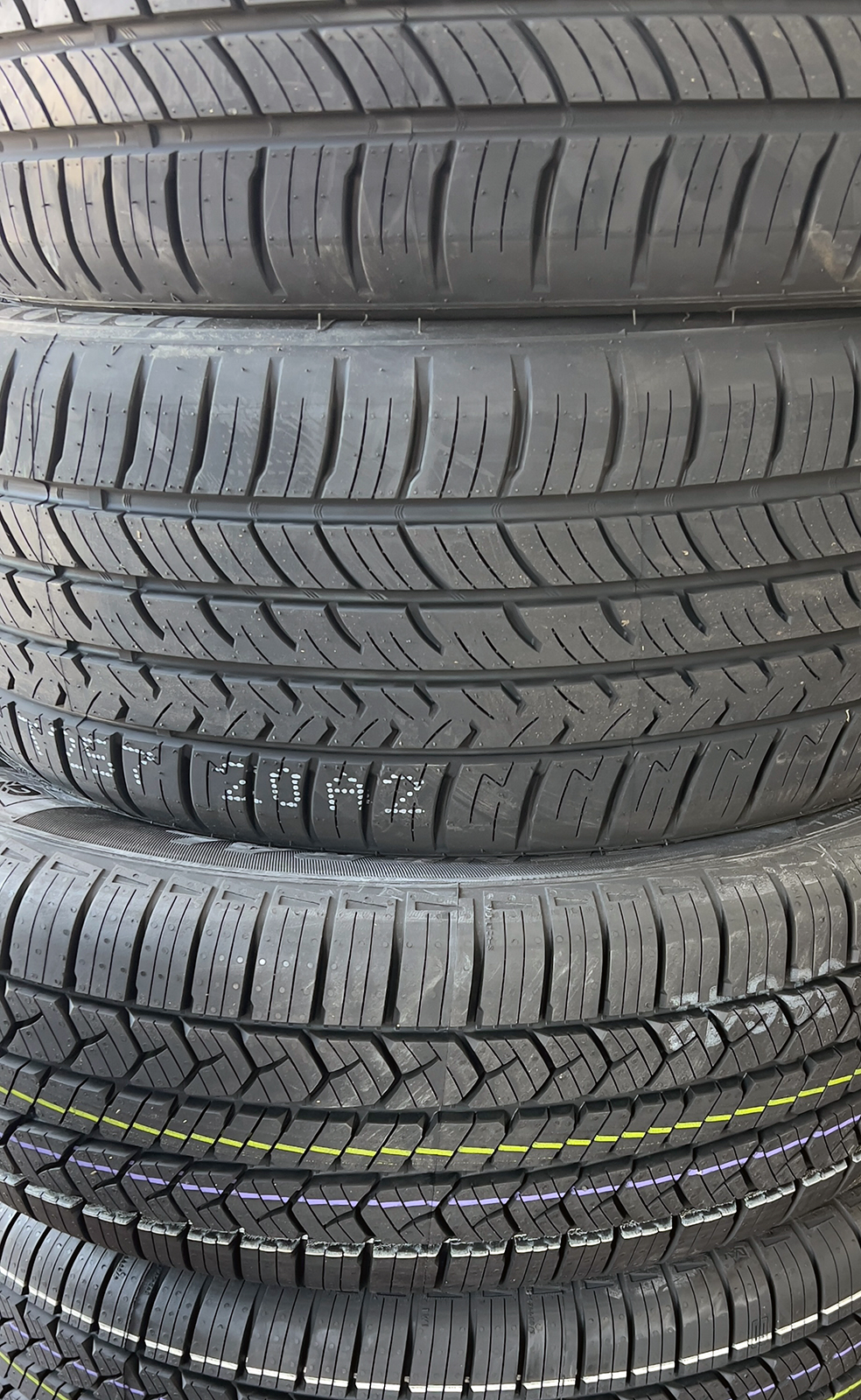
The California Energy Commission (CEC) unanimously voted on August 17, 2026, to approve the Replacement Tire Efficiency Program (RTEP)—establishing the nation’s first rolling resistance and efficiency standards for replacement passenger car and light-duty truck tires.
The rule ensures replacement tires sold in California are at least as energy-efficient, on average, as the original equipment (OE) tires that come standard on new vehicles. Phased in over two stages (Phase 1 starting in 2029 and Phase 2 in 2033), it also creates a multi-leaf consumer efficiency rating label to make shopping easier.
Benefits & Focus
- Primary Target: Every daily commuter, family driver, and rideshare operator purchasing replacement tires for passenger vehicles, light trucks, and electric vehicles (EVs).
- Extended EV Range: Lower rolling resistance allows electric vehicles to travel further on a single charge.
- Environmental Gains: Cuts state carbon emissions by roughly 2 million metric tons annually (equivalent to taking 400,000 gas cars off the road).
Financial Impact
- Fuel & Power Savings: The CEC estimates the ruling will save California drivers roughly $1 billion per year collectively in reduced gasoline and charging costs.
- Per-Driver Savings: An average driver is expected to save ~$180 in fuel over the lifetime of a 4-tire set.
- Upfront Premium vs. Payback: While compliant tires may cost an extra $6 to $26 more per set, reduced fuel and energy consumption more than offsets the initial retail price increase.
Adverse Effects & Restricted Tire Types
To meet rolling resistance thresholds, manufacturers must alter rubber compounds and tread designs.
Affected Categories & Consumer Groups:
- Budget / Entry-Level Replacement Tires: Cheap, high-rolling-resistance tires that prioritize upfront low price over fuel efficiency will be phased off California shelves. Lower-income consumers who rely on low upfront prices when a tire unexpectedly blows out may face higher upfront costs.
- Aggressive Off-Road & All-Terrain Tires: High-friction, deep-knobby tread designs designed for off-roading, mudding, and rock crawling inherently suffer from high rolling resistance. Unless specifically exempted under niche/motorsport rules, off-road enthusiasts and truck owners may face a reduced selection of compliant aggressive treads.
- High-Performance / Ultra-Sticky Summer Tires: Enthusiast tires formulated with soft, high-grip rubber compounds for extreme dry handling naturally create more drag and could struggle to pass strict Phase 2 thresholds.
(Note: Dedicated snow/winter tires and specialized motorsports competition tires are explicitly exempted from the regulation).
Why We Should Be Concerned
While promoted as a net consumer win, several structural concerns warrant caution:
- Higher Upfront Costs for Struggling Drivers: Industry groups (such as SEMA) argue that manufacturing compliance costs could increase set prices by far more than state estimates (potentially up to $300+ extra per set). This acts as a regressive upfront expense for cash-strapped drivers, even if fuel savings materialize over time.
- Tire Performance & Safety Trade-offs: Rolling resistance is part of the “magic triangle” of tire design (Efficiency, Wear Life, and Traction/Grip). While state standards include a minimum wet-grip safety baseline, making rubber compounds harder or slicker to reduce drag can inherently compromise extreme dry braking distances, cornering stability, or tread life if not carefully engineered.
- Supply Chain & Out-of-State Purchasing: Restricting tire sales in California may lead to limited inventory, localized retail supply shortages, or drive consumers to buy non-compliant tires across state lines (e.g., Nevada or Arizona) or online to bypass local restrictions.
We will do our very best to stay on top of updates as they roll out, as well as include additional links to pertinent websites. Until then, here are a few direct links to specific websites and details on this new regulation.
CEC Replacement Tire Efficiency Program
Specialty Equipment Market Association