
A New-New Child Seat Law for California
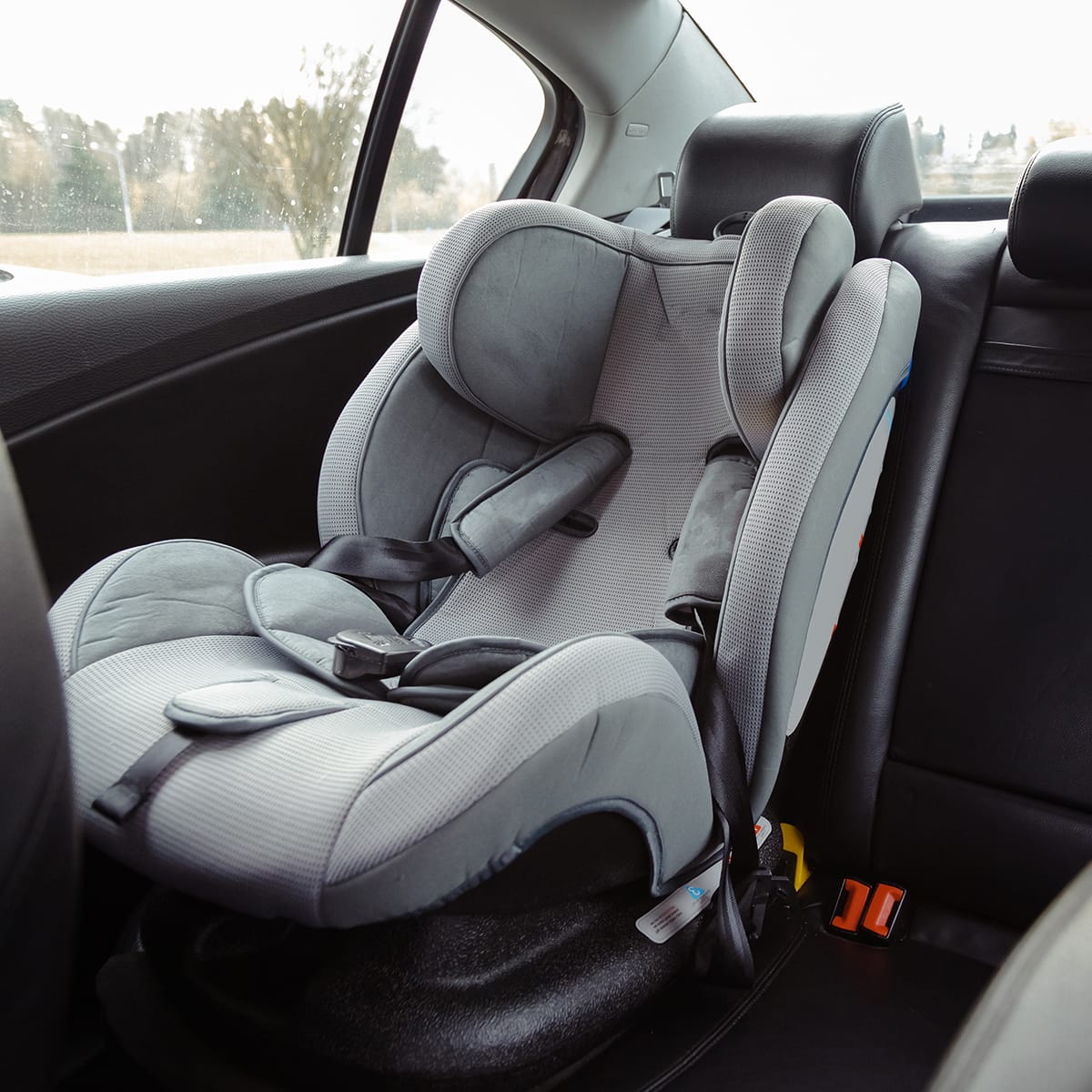

California is taking a major step forward in child passenger safety with California Assembly Bill 435 (AB 435). Signed into law to update California Vehicle Code standards, AB 435 changes how children transition from a booster seat to a vehicle seat belt.
This new standard takes affect January 1, 2027.
Who Does This Law Affect?
AB 435 specifically impacts children between the ages of 8 and 15, as well as any driver transporting passengers in this age bracket.
Under previous rules, children were permitted to transition to a standard seat belt on their eighth birthday regardless of how the belt physically fit them. AB 435 eliminates age as the sole indicator for belt readiness, requiring children ages 8 through 15 to remain in a booster seat until they meet proper seat belt fit criteria.
Why Was the Law Enacted?
Vehicle seat belts are engineered for adult anatomy. When a child uses a seat belt prematurely, the lap belt often rests high over the abdomen rather than low across the pelvic bones, and the shoulder belt can ride across the neck or face. In a collision, this poor fit can cause severe internal organ damage and spinal injuries—a scenario safety advocates call “seat belt syndrome.”
AB 435 brings California law in line with medical and safety guidelines from the American Academy of Pediatrics (AAP) and the National Highway Traffic Safety Administration (NHTSA), shifting the focus from arbitrary age cutoffs to anatomical fit.
The Yardstick: The 5-Step Test
To determine whether a child age 8 through 15 can safely ride with a standard seat belt or must remain in a booster seat, drivers must evaluate them using the 5-Step Test.
A child can only ride without a booster seat if they pass all five steps:
-
Back Flat: The child sits with their back and bottom completely flat against the vehicle seat cushion.
-
Knees Bent: The child’s knees bend comfortably and naturally over the edge of the vehicle seat.
-
Lap Belt Fit: The lap belt sits low and snug across the upper thighs and hips, not across the stomach.
-
Shoulder Belt Fit: The shoulder belt crosses the center of the collarbone and chest, remaining clear of the neck and face.
-
Trip Behavior: The child can maintain this proper position comfortably for the entire duration of the trip without slouching or shifting.
If a child fails even one step, they must remain in a booster seat.
How Will It Be Enforced?
California operates under primary enforcement for child passenger safety laws. This means law enforcement officers can pull a vehicle over simply because they observe a child who appears improperly restrained, without needing any other traffic infraction to justify the stop.
Enforcement responsibility lies directly with the driver of the vehicle—whether that driver is a parent, relative, babysitter, carpool host, or rideshare driver.
Fines and Violations
Failing to secure a child properly under Vehicle Code provisions comes with significant penalties:
-
Base Fines: The statutory base fine is reported to start at approximately $20 for a first offense, climbing upward toward $250 for subsequent offenses.
-
Total Out-of-Pocket Cost: With state surcharges, court construction fees, and administrative assessments added, total out-of-pocket ticket costs typically reach $490 to $500+ per child for a first offense and $1,100+ for repeat offenses.
-
DMV Points: Each violation adds 1 point to the driver’s driving record, which can trigger higher auto insurance premiums.
-
Safety Education: Courts may also mandate that the driver attend a certified child passenger safety education class.